Empowering Survivorship: Essential Insights and Support in Cancer Care
Navigating the journey of cancer survivorship can feel like embarking on an uncharted voyage. It’s an experience that is often fraught with uncertainty, but armed with the right knowledge and support, it can also be a journey of profound strength and resilience. Whether you’re a recent survivor or have been navigating this path for years, understanding key insights in oncology can empower you to take control of your health and wellness. After all, every survivor has a story, and it’s through sharing these stories that we can learn and grow together.
Imagine waking up every morning knowing that you have conquered a significant battle – one that many believe requires a Herculean effort. Understanding cancer treatment options, particularly advancements in immunotherapy and clinical trials, provides survivors with a treasure trove of knowledge during their recovery. Asking questions, seeking medical advice, and exploring oncological research can unveil innovative approaches to cancer care that may significantly impact survivorship. Why not become an advocate for your health by diving deeper into these medical insights?
Of course, survivorship isn’t just about medical advancements. Nutrition for cancer plays a crucial role during and after treatment. Eating a balanced diet tailored to individual needs can enhance recovery and boost overall wellness. Simple things, like adding leafy greens rich in antioxidants or omega-3 fatty acids, can make a significant difference. Have you considered how your plate can be a powerful tool in your journey? Sharing recipes or tips on healthy eating in a health blog or community forum can not only help you but also support fellow survivors in promoting cancer prevention.
Let’s not forget about tumor awareness. Being able to recognize the symptoms of different cancers can lead to earlier detection and better outcomes. For many survivors, self-education becomes a powerful ally in navigating a chronic illness. What if you could transform your experience and knowledge into cancer advocacy, helping others understand the importance of monitoring their health? It’s essential to raise awareness and share your journey with others who may feel lost; your story could be the light that guides them through their darkest times.
Lastly, remember that survivorship also involves mental and emotional well-being. It’s crucial to surround yourself with supportive friends, family, or support groups to foster a sense of belonging. Engage in open dialogues about fears and triumphs. Taking part in wellness activities such as yoga or meditation can also significantly enhance emotional recovery. By talking about your experiences and seeking help, you not only empower yourself but also become an inspiration for others seeking strength on their journey. Every step you take paves the way for a brighter tomorrow for all survivors.
Empower Your Wellness: Nutrition and Support Strategies for Cancer Care
When it comes to cancer care, it often feels like an uphill battle, filled with uncertainties and overwhelming decisions. But what if I told you that empowering your wellness through nutrition and supportive strategies could bring light to this challenging journey? Nutrition for cancer is not just about eating the right foods; it's about nourishing your body and soul while navigating the complexities of oncology. By understanding how to prioritize wellness, you can take charge of your health and enhance your survivorship. This health blog is dedicated to offering vital insights and actionable strategies to help you thrive amidst the storm.
Imagine you are faced with a cancer diagnosis. Your first instinct might be to seek out every medical insight available or get involved in clinical trials exploring innovative treatments like immunotherapy. While pursuing conventional cancer treatment is essential, don’t forget the power of nutrition and patient support during this journey. A well-balanced diet not only boosts your immune system but also helps alleviate cancer symptoms and side effects from treatments. From whole grains to colorful vegetables and lean proteins, what you consume has an incredible impact on your overall well-being.
"Eating nutritiously is like giving your body a warm hug," remarked Dr. Jane, a well-respected nutritionist in the field of oncological research. This quote resonates especially deeply when considering how we fuel our bodies during cancer care. Engaging in cancer prevention starts with understanding that food choices play a crucial role in both treatment and recovery. For instance, antioxidants prevalent in fruits and vegetables can combat oxidative stress while some nutritional supplements might provide added support. Have you thought about how you can incorporate these nutrient-dense foods into your day-to-day meals?
Community support—both emotional and physical—also plays a significant role in your wellness. Connecting with fellow survivors can create a sense of belonging and understanding. Advocacy groups often offer resources that encompass not only nutrition for cancer but also tips for navigating patient support systems. You are not alone in this fight. Reach out and see how sharing experiences can empower you, whether it’s through a friendly chat or attending group workshops focused on health education and disease prevention. How might you expand your network of support?
Ultimately, empowering your wellness means looking beyond just surviving cancer; it involves becoming an informed participant in your care. This forthcoming journey requires resilience, and that’s where actionable strategies come into play. Start by keeping a food journal to track what you’re eating and how it makes you feel. Consider incorporating a variety of foods that promote energy and vitality, while also engaging your community for ongoing encouragement. Together, let's navigate the world of cancer treatment with hope, knowledge, and the belief that healthy choices can lead to a more vibrant life, even in the face of a chronic illness.
Advocacy and Awareness: A Comprehensive Guide to Tumor Prevention and Treatment
In the vast landscape of cancer care, advocacy and awareness act as powerful beacons guiding us toward hope, healing, and empowerment. Think about it: what if your very voice could spark change in the realm of oncology? With every discussion about tumor prevention and treatment, we all become part of a collective journey—one that seeks not just to survive but to thrive. In this health blog, we’ll unravel the importance of advocacy and awareness in our fight against cancer, climbing the mountain of knowledge together, and discovering how we can impact our worlds, whether that’s through disease prevention, medical insights, or simply sharing stories of survivorship.
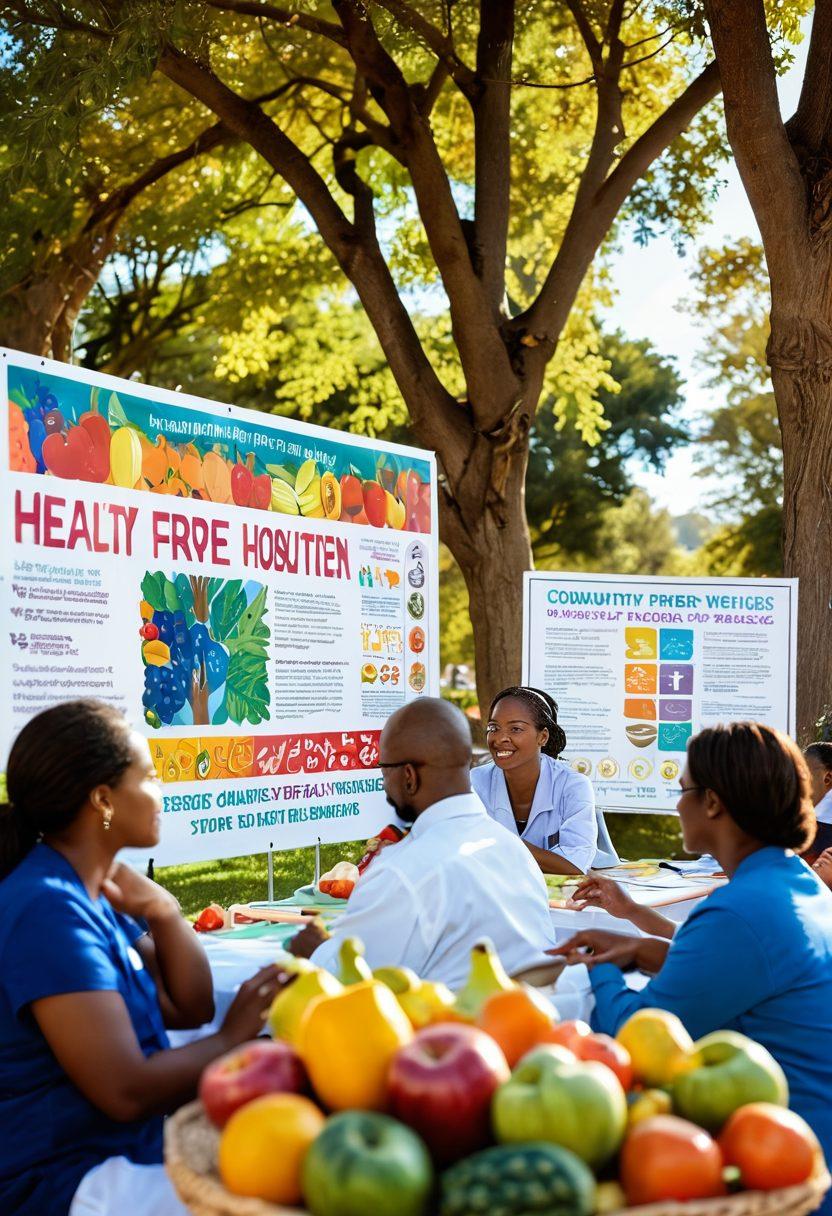
Picture this: a community gathered to discuss the latest findings in oncological research, with experts sharing valuable medical advice on cancer prevention and symptom recognition. It’s an electrifying scene, filled with a sense of solidarity as individuals advocate for their loved ones, for their health, and for future generations. Advocacy isn’t just a unified voice; it’s a symphony of shared experiences, where every encounter can give rise to greater understanding of cancer symptoms and the complex web of treatment options. Wouldn’t you agree that raising awareness on tumor awareness can turn a whisper into a roar, advocating not just for prevention but for those battling chronic illness?
Many might imagine that cancer treatment is restricted to hospitals and clinical settings, but it actually permeates our everyday lives through nutrition for cancer and alternative wellness strategies. By fostering awareness and encouraging patient support, we’re empowered to make informed choices that can significantly contribute to our well-being. Imagine a dialogue about innovative treatments such as immunotherapy or participation in clinical trials—conversations that would have been unheard of a generation ago. With each tale shared, each question asked, we fortify the fabric of an educated community, better prepared to combat cancer and harness wellness.
As we embark upon this journey of advocacy, let’s engage with pivotal questions: How can we create a culture of awareness that prioritizes tumor prevention? In our fast-paced lives, how can we incorporate health education into our routines? You see, embracing advocacy isn’t just about understanding cancer; it’s about transforming our mindset from one of fear to one of proactive engagement. With the ever-evolving field of oncology, we owe it to ourselves and to those we love to stay informed. And remember, being an advocate can start small—conversations over coffee, sharing a health blog, or simply asking questions at your next doctor’s appointment can lead to bigger changes.
In closing, advocacy and awareness are not merely buzzwords; they are vital components of effective cancer care. Together, let’s cultivate a community where knowledge is power, where each of us has a role to play in disease prevention and survivorship. By sharing insights and taking action, we elevate our collective experience. So, how can you become an advocate today? Let’s empower each other by spreading awareness, championing tumor prevention, and continuously learning about the innovative strides being made in cancer treatment. As we conquer each hurdle, we evolve—not just as survivors—but as warriors standing strong in unity. Together, we can redefine how we view cancer, transforming the narrative into one of resilience and hope.